The Future of Global Logistics: Building Smarter, Faster, and More Resilient Supply Chains

The future of global logistics is being shaped by rapid technological innovation, changing trade patterns, environmental challenges, and rising customer expectations. As businesses become increasingly dependent on reliable supply chains, logistics providers are evolving to deliver greater visibility, flexibility, and efficiency.
Technology Will Drive the Next Generation of Logistics
Artificial intelligence, automation, real-time tracking, and data analytics are transforming how goods move around the world. These technologies can help logistics companies optimize routes, anticipate potential disruptions, manage inventory, and improve delivery performance.
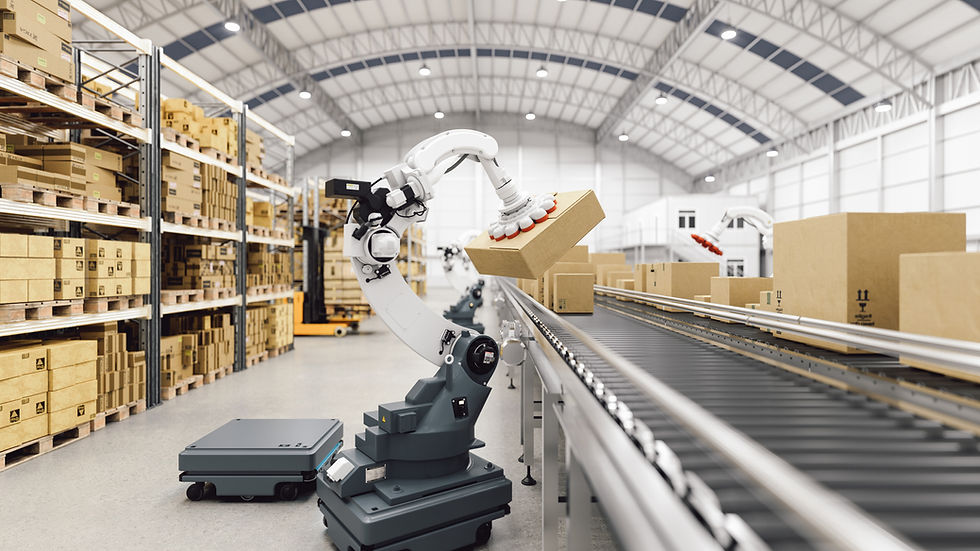
Automation is also becoming increasingly important in warehouses and distribution centers, allowing businesses to improve productivity while reducing repetitive manual processes.
Supply Chains Will Become More Flexible
Recent global disruptions have demonstrated the importance of resilience. Businesses can no longer rely on a single route, supplier, or transportation method without considering potential risks.
Future supply chains will increasingly focus on flexibility—using alternative transportation routes, multiple suppliers, strategic inventory planning, and reliable logistics partners to respond quickly when conditions change.
Sustainability Will Become More Important
Environmental considerations are also influencing the future of logistics. Businesses and consumers are increasingly looking for transportation solutions that reduce fuel consumption, emissions, waste, and unnecessary mileage.
Logistics companies will continue exploring more efficient vehicles, alternative fuels, optimized routes, and technology that can help reduce the environmental impact of transportation.
Customers Will Expect Greater Visibility
Customers want to know where their shipments are and when they can expect delivery. Real-time tracking and proactive communication will continue to become standard expectations.
For businesses, greater visibility can also improve planning and allow them to respond quickly when delays or unexpected changes occur.
Human Expertise Will Remain Essential
While technology will play a major role, experienced logistics professionals will remain essential. Technology provides information and automation, but people provide judgment, communication, problem-solving, and personalized service.
The strongest logistics companies will combine innovative technology with experienced professionals who understand the unique needs of their customers.
CRS Logistic Solutions: Ready for the Future
At CRS Logistic Solutions, we understand that the future of logistics requires more than simply moving goods from one destination to another. It requires dependable service, flexibility, communication, and the ability to adapt to a rapidly changing industry.
By combining modern logistics practices with personalized customer service, CRS Logistic Solutions is committed to helping businesses navigate today's challenges and prepare for tomorrow's opportunities.
Moving Forward
The future of global logistics will be smarter, more connected, more flexible, and increasingly customer-focused. Businesses that embrace these changes and build strong logistics partnerships will be better positioned to manage disruption, control costs, and deliver a better experience for their customers.
CRS Logistic Solutions — Moving Business Forward with Reliable Logistics Solutions.


Comments