Technology Is Transforming Logistics: How AI and Automation Are Changing the Industry

Technology is rapidly changing the way goods are transported, stored, tracked, and delivered around the world. In 2026, artificial intelligence, robotics, real-time data, and automated systems are moving beyond experimentation and becoming increasingly important tools for logistics companies and supply chain operators.
Artificial Intelligence Is Changing Logistics
Artificial intelligence is helping logistics companies make faster and more informed decisions. AI-powered systems can analyze large amounts of data to improve demand forecasting, identify potential disruptions, optimize transportation routes, and support operational decision-making.
Industry reports indicate that AI has moved from limited pilot programs toward measurable applications in logistics, particularly in areas involving prediction, visibility, and operational optimization.
For businesses, this can mean better planning, fewer delays, improved resource utilization, and greater visibility throughout the supply chain.
Robotics Are Transforming Warehouses
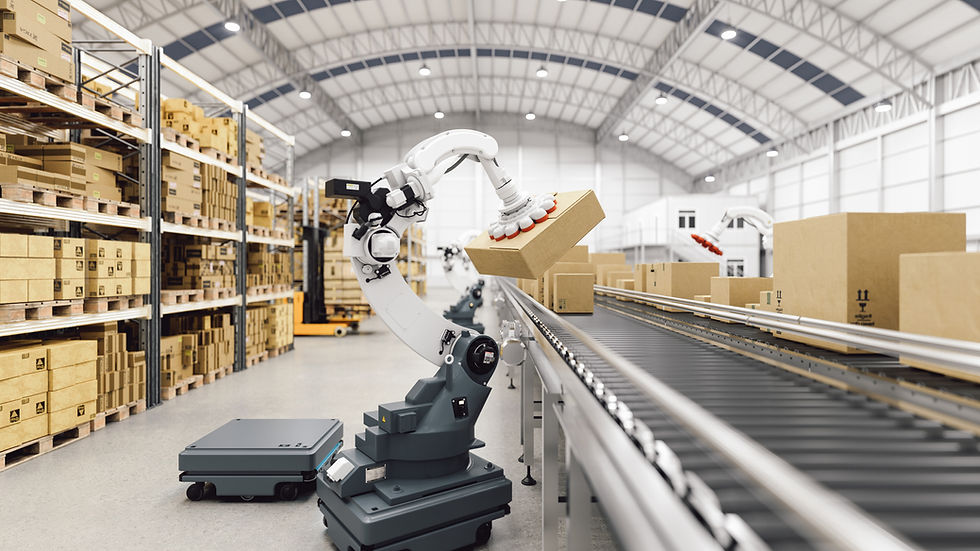
Warehouse automation is another major area of growth. Robots and autonomous mobile robots are increasingly being used for material handling, picking, sorting, and transportation within distribution facilities.
North American companies ordered nearly 18,000 warehouse robots worth approximately $1.2 billion during the first half of 2026, reflecting continued investment in automation.
The goal isn't simply to replace human workers. Modern systems are increasingly designed to allow people and machines to work together, helping employees handle repetitive or physically demanding tasks while improving productivity and accuracy.
Real-Time Visibility Is Becoming Essential
Modern logistics also depends increasingly on real-time information. Connected systems can provide businesses with better visibility into inventory, transportation, warehouse operations, and delivery status.
This information allows logistics teams to respond more quickly when conditions change. When a shipment is delayed or demand suddenly increases, businesses can use real-time data to adjust schedules, routes, inventory, and resources.
The Future of Logistics Is More Connected
The next generation of logistics will likely combine AI, robotics, automation, connected software, and human expertise. Gartner estimates that by 2030, half of new warehouses in developed markets could be designed as robot-centric facilities.
However, technology alone isn't enough. Successful logistics operations still depend on experienced professionals who understand transportation, customer requirements, and the complexities of moving goods efficiently.
What This Means for Businesses
For businesses, the technology revolution in logistics can provide several important advantages:
Improved shipment visibility
Faster decision-making
More efficient transportation planning
Greater warehouse productivity
Improved inventory management
Reduced operational inefficiencies
Better ability to respond to disruptions
As supply chains become more complex, technology is becoming an important part of building resilient and responsive logistics operations.
CRS Logistic Solutions: Combining Technology With Service
At CRS Logistic Solutions, we understand that successful logistics requires more than moving products from one location to another. It requires dependable service, communication, coordination, and the ability to adapt to changing customer needs.
As technology continues to transform the logistics industry, CRS Logistic Solutions remains focused on combining modern logistics practices with personalized service to help businesses move their goods efficiently and confidently.
The future of logistics is connected, intelligent, and adaptable—and technology is helping make that future a reality.


Comments